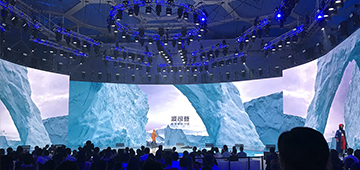
The right LED holographic screen depends largely on the installation environment. Outdoor applications require high brightness to maintain clear visibility under direct sunlight, where luminance levels of 5,000–8,000 nits or above are typically needed. To ensure reliable performance, outdoor models are designed with features such as IP65 protection, efficient heat management, and optimized pixel pitches for longer viewing distances.
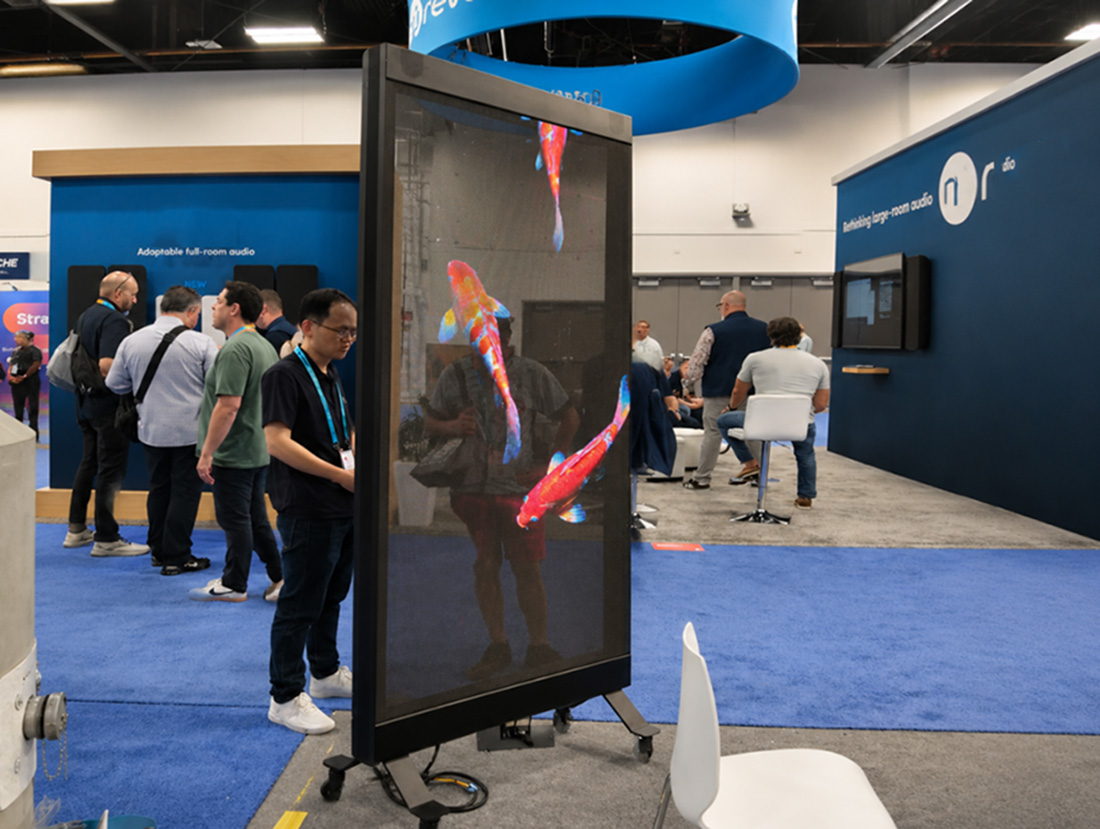
Indoor environments require a different approach. With controlled lighting conditions, lower brightness levels are sufficient, while high transparency becomes the key factor. With transparency rates of 70%–90%, indoor LED holographic screens create a lightweight, floating visual effect while blending naturally with surrounding spaces.
In short, outdoor screens focus on brightness and durability, while indoor solutions prioritize transparency and visual refinement. The best choice is the one that delivers the right balance of performance and aesthetics for your specific application.